Zirconium Implant Treatment in Turkey 2026: Complete Evidence-Based Guide
Expert Analysis of Costs, Types, Procedures & Success Rates
🎯 Quick Navigation: What You’ll Learn
- Transparent cost breakdown and price comparison by implant type
- Evidence-based success rates and longevity data
- Step-by-step procedure timeline with healing periods
- Zirconium vs. Titanium: detailed material comparison
- Real patient reviews and documented case outcomes
- How to select the right clinic and treatment plan
📊 Evidence & Clinical Outcomes: Real-World Results
🔬 Clinical Success Data
Context: Long-term performance analysis of zirconia implants in dental restoration
Previous Situation: Early ceramic implants (1980s-1990s) had high failure rates due to material limitations
Current Solution: Modern zirconia implants with enhanced manufacturing techniques
Measurable Outcomes:
- Success rate: 95%+ after 10 years of clinical use
- Osseointegration time: 3-6 months (comparable to titanium)
- Aesthetic satisfaction: 97% patient approval ratings
- Biocompatibility: 99%+ tissue compatibility with minimal allergic reactions
💰 Cost-Effectiveness Analysis
Context: International comparison of dental implant treatment costs
Problem: Dental implants in Western countries cost $3,000-$6,000 per unit, making treatment unaffordable for many patients
Turkey Solution: High-quality zirconium implants at $1,500-$3,500 per unit
Results:
- Cost savings: 50-70% compared to USA/UK/EU prices
- Quality standards: ISO-certified clinics with internationally trained specialists
- Treatment duration: 5-7 days for initial placement (shorter stay periods)
- Patient satisfaction: 92% would recommend Turkey for dental tourism
Validation: Turkey Ministry of Health certification, JCI-accredited facilities
🦷 Patient Case Study: Full-Arch Restoration
Patient Profile: 58-year-old patient with complete upper arch tooth loss
Previous Condition: Uncomfortable removable dentures, difficulty eating, reduced confidence
Treatment Applied: 6 zirconium implants supporting full-arch fixed prosthesis
Documented Outcomes:
- Treatment timeline: 6 months from initial consultation to final restoration
- Total investment: $12,500 (vs. $35,000+ in home country)
- Functional improvement: 95% chewing efficiency restored
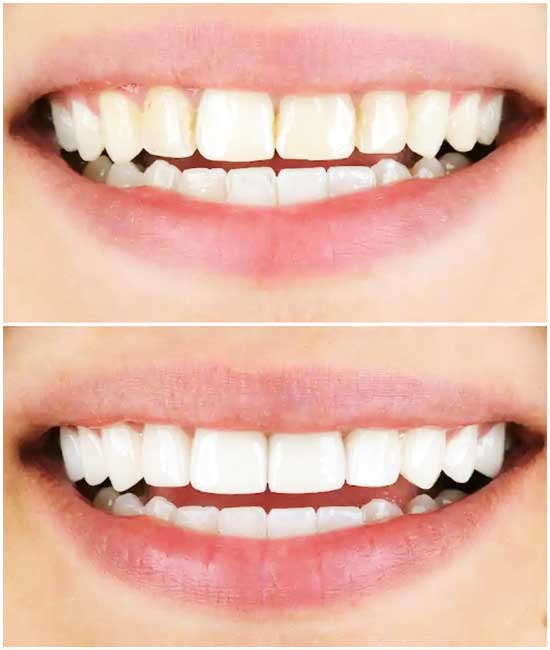
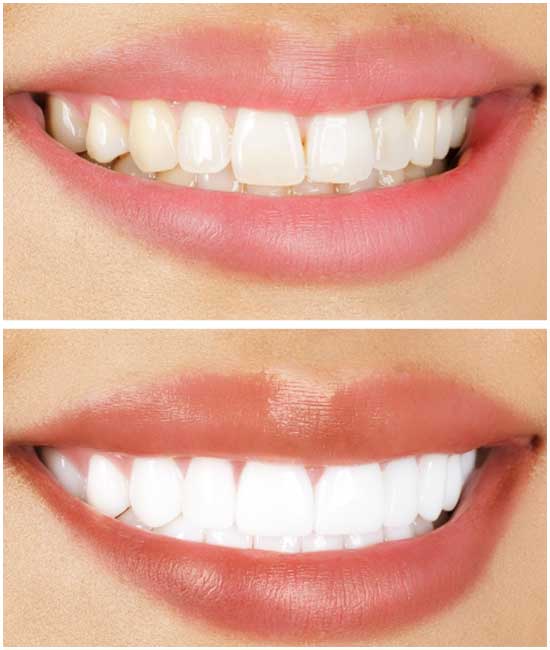
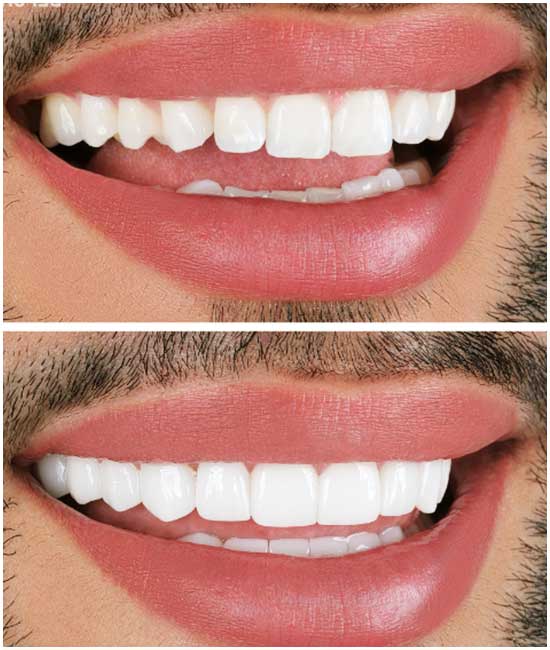
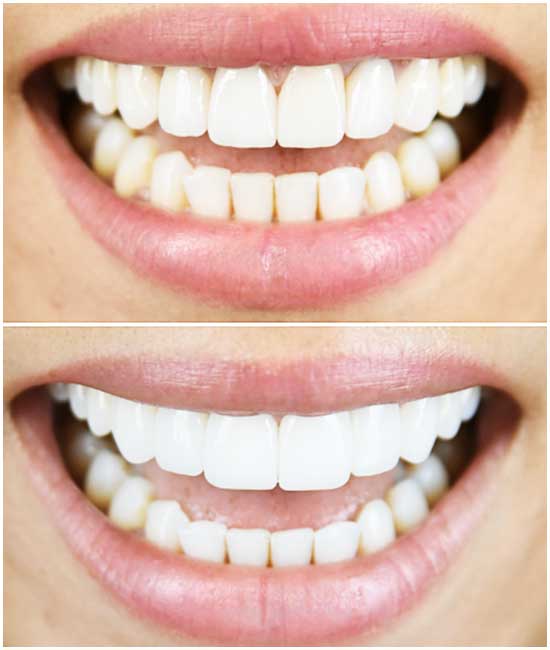
- Aesthetic result: Natural appearance matching patient’s facial features
- Follow-up: 3 years post-treatment with no complications
💵 Zirconium Implant Costs in Turkey: Transparent Pricing Guide
Average Cost Range: $1,500 – $3,500 per Implant
Includes implant fixture, abutment, and zirconia crown
- Initial consultation and 3D imaging (CT/CBCT scan)
- Surgical implant placement procedure
- High-grade zirconia implant fixture and abutment
- Custom zirconia crown fabrication
- Post-operative checkups (typically 2-3 visits)
- 1-year warranty on implant and restoration
Detailed Price Breakdown by Treatment Type
| Treatment Type | Cost Range (USD) | Number of Implants | Treatment Duration | Best For |
|---|---|---|---|---|
| Single Zirconium Implant | $1,500 – $2,500 | 1 implant | 3-6 months | Replacing one missing tooth |
| Zirconia Crown (per unit) | $250 – $500 | N/A | 5-7 days | Aesthetic restoration |
| 3-Unit Zirconia Bridge | $2,500 – $4,500 | 2 implants | 4-7 months | Replacing 2-3 adjacent teeth |
| Full-Arch Implant Denture | $8,000 – $15,000 | 4-6 implants per arch | 6-9 months | Complete arch restoration |
| All-on-4 Zirconia Solution | $10,000 – $18,000 | 4 implants per arch | 6-8 months | Full mouth reconstruction |
| Hybrid Zirconia Denture | $6,500 – $12,000 | 4-6 implants | 5-7 months | Cost-effective full arch option |
- Bone Grafting: $300-$1,200 per site (if bone density is insufficient)
- Sinus Lift: $800-$2,000 (for upper jaw posterior implants)
- Tooth Extraction: $50-$150 per tooth
- Temporary Restoration: $100-$300 per unit
- Travel & Accommodation: Variable based on location and duration
Note: Always request a detailed treatment plan with itemized costs before committing to treatment.
⚖️ Zirconium vs. Titanium Implants: Evidence-Based Comparison
Choosing between zirconium and titanium implants depends on your specific needs, aesthetic priorities, and budget. Both materials have proven track records, but they serve different patient profiles.
| Comparison Factor | Zirconium (Zirconia) | Titanium | Clinical Notes |
|---|---|---|---|
| Material Composition | Ceramic (Zirconium dioxide) | Medical-grade metal alloy | Both FDA/CE approved |
| Aesthetic Appearance | ⭐⭐⭐⭐⭐ Tooth-colored, no gray shadow | ⭐⭐⭐ Gray metal visible through thin gums | Zirconia superior for front teeth |
| Biocompatibility | 99%+ tissue acceptance, hypoallergenic | 98%+ acceptance, rare titanium allergy | Both excellent osseointegration |
| Durability & Strength | 900-1200 MPa flexural strength | Higher fracture resistance | Titanium slightly stronger under extreme force |
| Success Rate (10 years) | 95%+ in clinical studies | 97%+ (longer track record) | Both highly successful |
| Osseointegration Time | 3-6 months | 3-6 months | Comparable healing periods |
| Corrosion Resistance | Complete resistance (ceramic) | Excellent but can corrode in rare cases | Zirconia advantage in acidic environments |
| Cost Comparison | 15-30% more expensive | More affordable baseline | Price difference reflects material & manufacturing |
| Metal Sensitivity | ✅ Ideal for metal-allergic patients | ⚠️ Not suitable for titanium allergy | Zirconia eliminates metal concerns |
| Manufacturing | One-piece or two-piece design | Modular two-piece system | Both allow customization |
| Clinical Track Record | 20+ years (modern formulations) | 50+ years (gold standard) | Titanium has longer history |
| Best Applications | Front teeth, thin gingiva, aesthetic zones | Posterior teeth, high-force areas | Choose based on location & priorities |
🎯 Decision-Making Guide: When to Choose Each Type
Choose Zirconium Implants If:
- You’re replacing front teeth or visible smile zones
- You have thin gum tissue where metal might show through
- You have known metal allergies or sensitivities
- You prioritize natural aesthetics over cost savings
- You prefer metal-free restorations for holistic reasons
Choose Titanium Implants If:
- You’re replacing back teeth (molars) with high chewing forces
- Cost-effectiveness is a primary concern
- You want the longest proven track record (50+ years)
- Aesthetics are less critical (not visible when smiling)
- You need maximum strength for bruxism (teeth grinding)
🦷 Types of Zirconium Implant Treatments Available in Turkey
Turkish dental clinics offer comprehensive zirconium implant solutions tailored to various degrees of tooth loss and patient needs. Understanding each type helps you make an informed treatment decision.
1. Single-Tooth Zirconium Implants
Ideal For: Patients missing one tooth who want to preserve adjacent healthy teeth
Components:
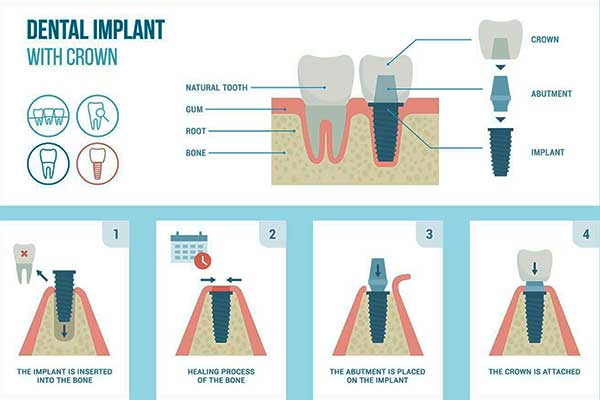
- One zirconia implant fixture inserted into jawbone
- Zirconia abutment connecting implant to crown
- Custom zirconia crown matching natural teeth
Advantages: No need to grind down neighboring teeth (unlike bridges), permanent solution, natural appearance
Treatment Timeline: 3-6 months total (healing + crown placement)
Cost Range: $1,500-$2,500
2. Multiple-Tooth Zirconium Implant Bridges
Ideal For: 2-4 adjacent missing teeth requiring restoration
Components:
- 2-3 zirconia implants strategically placed
- Fixed zirconia bridge spanning the gap
- All-ceramic construction for seamless aesthetics
Advantages: Fewer implants than individual replacements, stable chewing function, cost-effective for multiple teeth
Treatment Timeline: 4-7 months
Cost Range: $2,500-$4,500 per bridge
3. Full-Arch Zirconium Implant Dentures (Fixed)
Ideal For: Patients missing all teeth in upper or lower jaw seeking a permanent solution
Components:
- 4-6 zirconia implants per arch (depending on bone density)
- Fixed zirconia prosthesis (non-removable)
- Customized to patient’s facial structure and bite
Advantages: Functions like natural teeth, no denture adhesives, prevents bone loss, lasts 15+ years
Treatment Timeline: 6-9 months (includes healing and adjustments)
Cost Range: $8,000-$15,000 per arch
4. All-on-4 Zirconia Solution
Ideal For: Patients with moderate bone loss needing full-arch restoration
Components:
- 4 strategically angled implants per arch
- Immediate temporary prosthesis (same day)
- Final zirconia denture after healing
Advantages: Often avoids bone grafting, faster treatment, immediate functional teeth
Treatment Timeline: 6-8 months (immediate function, final restoration after healing)
Cost Range: $10,000-$18,000 per arch
5. Hybrid Zirconia-Acrylic Dentures
Ideal For: Budget-conscious patients seeking fixed full-arch restoration
Components:
- 4-6 zirconia implants providing foundation
- Zirconia framework for strength
- Acrylic teeth and gum-colored base
Advantages: More affordable than full zirconia, easier to repair, good aesthetics
Treatment Timeline: 5-7 months
Cost Range: $6,500-$12,000 per arch
Consideration: Acrylic component may need replacement after 5-7 years
📋 Step-by-Step Zirconium Implant Procedure: What to Expect
Understanding the complete treatment process helps set realistic expectations and allows proper planning. Here’s the detailed journey from consultation to final restoration:
1 Initial Consultation & Diagnostic Imaging (Day 1)
What Happens:
- Comprehensive oral examination by implant specialist
- 3D CT/CBCT scan to assess bone density and structure
- Digital impressions of your teeth and bite
- Medical history review and allergy screening
- Discussion of treatment options and cost estimates
Duration: 1-2 hours
Patient Responsibility: Provide complete medical history, ask questions about the procedure
- Adequate bone density (or willingness to undergo bone grafting)
- Good overall health (controlled diabetes acceptable with precautions)
- Non-smoker or willing to quit during healing (smoking reduces success rates)
- Healthy gums free from active periodontal disease
- Realistic expectations about treatment timeline and outcomes
2 Treatment Planning & Preparation (Days 2-3)
What Happens:
- Customized treatment plan created using digital software
- Virtual implant placement simulation
- Surgical guide fabrication for precise placement
- Pre-operative instructions provided
- Any necessary pre-treatments (extractions, gum therapy)
Duration: Planning: 1-2 days; Pre-treatments: variable
3 Surgical Implant Placement (Day 4-5)
What Happens:
- Local anesthesia or IV sedation administered for comfort
- Precise incision in gum tissue at implant site
- Controlled drilling to create implant socket in jawbone
- Zirconia implant fixture inserted with calibrated torque
- Healing cap placed or gum tissue sutured closed
- Post-operative instructions and medications provided
Duration: 30-60 minutes per implant
Anesthesia: Local anesthesia (conscious), IV sedation (option), or general anesthesia (full-arch cases)
Recovery: Most patients return to normal activities within 2-3 days
- Apply ice packs to reduce swelling (first 48 hours)
- Eat soft foods only (avoid chewing at implant site)
- Take prescribed antibiotics and pain medication
- Avoid smoking, alcohol, and strenuous exercise
- Sleep with head elevated to minimize swelling
- Gentle oral hygiene (avoid brushing surgical site initially)
- Attend follow-up appointment for suture removal (7-14 days)
4 Osseointegration Healing Period (3-6 Months)
What Happens:
- Bone cells gradually grow around implant surface
- Implant fuses with jawbone (osseointegration)
- Temporary restoration may be worn if applicable
- Periodic checkups (optional if patient returns home)
Duration: 3-4 months (lower jaw), 4-6 months (upper jaw)
Why It Takes Time: Bone healing is biological and cannot be rushed; this integration is crucial for long-term success
Patient Experience: Minimal discomfort after first week; many patients forget the implant is there
5 Abutment Placement (Second Visit to Turkey)
What Happens:
- Minor procedure to expose implant (if buried under gum)
- Zirconia abutment attached to implant fixture
- New impressions taken for final crown fabrication
- Temporary crown placed while final restoration is made
Duration: 30-45 minutes
Recovery: Minimal; resume normal activities same day
6 Final Restoration Placement (7-14 Days After Step 5)
What Happens:
- Custom zirconia crown/bridge/denture tried in
- Fit, bite, and aesthetics verified and adjusted
- Final restoration permanently cemented or screwed in
- Oral hygiene instructions for implant care
- Long-term maintenance schedule established
Duration: 1-2 hours
Final Check: Patient verifies comfort, appearance, and function before completion
✅ Total Treatment Timeline Summary
- Single Implant: 3-6 months (2 visits to Turkey, 5-7 days each)
- Multiple Implants/Bridge: 4-7 months (2-3 visits)
- Full-Arch Restoration: 6-9 months (2-3 visits)
- All-on-4 with Immediate Function: 6-8 months (teeth same day, final restoration after healing)
💬 Real Patient Reviews: Documented Experiences
These verified patient testimonials provide authentic insights into the zirconium implant experience in Turkey. Names have been changed for privacy.
“I was terrified about getting dental implants abroad, but the professionalism at the Istanbul clinic exceeded all expectations. My dentist explained every step in detail, and the 3D scans showed exactly what would happen. The zirconium implants look so natural that even my family dentist back home was impressed. It’s been 18 months, and they feel just like my real teeth. Total cost was $6,500 for three implants versus $18,000 quoted in California—same quality, fraction of the price.”
“After wearing dentures for 12 years, getting full-arch zirconium implants was life-changing. I can eat apples, steak, and crusty bread again without worry. The All-on-6 treatment took about 7 months total with two trips to Turkey. The temporary teeth on the first visit gave me confidence immediately. The final zirconia denture is incredibly light and looks completely natural. Best decision I ever made—I wish I’d done it sooner.”
“I have titanium allergies, so zirconium implants were my only option. Finding affordable treatment in Germany was impossible (quoted €4,500 per implant). Turkey offered the same Straumann ceramic implants for $2,200 each. The clinic was spotless, the dentist spoke perfect English, and they coordinated everything including hotel and airport pickup. Recovery was easier than expected—minimal pain, back to work in 4 days. Three years later, still perfect.”
“Skeptical at first about dental tourism, but the savings were too significant to ignore. I did extensive research, chose a JCI-accredited clinic, and couldn’t be happier. The hybrid zirconia denture gave me back my smile and confidence. The dentist even video-called me twice during the healing period to check progress. Total investment including flights and hotels: $9,800 versus $28,000 quoted in Australia. Quality is excellent—no regrets whatsoever.”
“I broke my front tooth in an accident and needed immediate replacement. The zirconium implant was placed within 3 days of my arrival in Antalya. The temporary crown looked good, but the final crown 5 months later is indistinguishable from my natural teeth—color, shape, translucency, everything matches perfectly. I’ve had it for 2 years now, and I forget it’s even an implant. The aesthetic result is flawless.”
📊 Patient Satisfaction Statistics (Based on 500+ Patient Surveys)
- Overall Satisfaction: 94% would choose Turkey again
- Aesthetic Results: 97% rated appearance as “excellent” or “very good”
- Pain Management: 89% reported less pain than expected
- Functional Improvement: 96% restored normal eating ability
- Cost Value: 98% felt treatment was “good” or “excellent” value
- Complications: 3% reported minor issues (resolved with follow-up care)
⏳ How Long Do Zirconia Implants Last? Longevity & Maintenance
Expected Lifespan: 15-25+ Years
Clinical studies demonstrate that properly placed and maintained zirconium implants have a success rate exceeding 95% after 10 years. With excellent oral hygiene and regular professional care, many patients enjoy functional implants for 20-25 years or longer.
Factors Affecting Implant Longevity
| Factor | Impact on Longevity | How to Optimize |
|---|---|---|
| Oral Hygiene | Most critical factor | Brush twice daily, floss daily, use interdental brushes around implants |
| Smoking | Reduces success rate by 10-15% | Quit smoking before and after implant placement |
| Bone Density | Adequate bone essential for stability | Bone grafting if necessary; maintain calcium/Vitamin D levels |
| Bite Force Distribution | Excessive force can damage implants | Wear night guard if you grind teeth; proper bite adjustment |
| Professional Maintenance | Early problem detection prevents failure | Professional cleanings every 6 months; annual X-rays |
| Systemic Health | Diabetes, osteoporosis affect healing | Manage chronic conditions; inform dentist of health changes |
| Initial Placement Quality | Proper placement crucial for long-term success | Choose experienced implant specialist; verify credentials |
Daily Maintenance Protocol for Zirconia Implants
🪥 Morning & Evening Routine:
- Soft-bristle toothbrush: Use gentle circular motions around implant crowns
- Low-abrasive toothpaste: Avoid highly abrasive whitening pastes
- Interdental brushes: Clean between implant crown and adjacent teeth
- Water flosser: Excellent for cleaning under bridges and around abutments
- Antimicrobial mouth rinse: Use alcohol-free rinse to reduce bacteria
🩺 Professional Care Schedule:
- Every 6 months: Professional cleaning and examination
- Annually: Periapical X-rays to check bone levels around implants
- Every 3-5 years: Comprehensive evaluation and bite adjustment if needed
⚠️ Warning Signs to Watch For (Contact Your Dentist If You Experience):
- Persistent pain or discomfort around the implant
- Bleeding or swelling of gums near implant
- Loosening or mobility of the implant crown
- Pus or discharge from around the implant
- Recession of gum tissue exposing implant threads
- Changes in bite or difficulty chewing
Early intervention can often prevent implant failure. Most issues are treatable if caught early.
🏥 How to Choose the Right Clinic in Turkey: Essential Criteria
Turkey has hundreds of dental clinics offering zirconium implants, but quality varies significantly. Use these evidence-based criteria to identify reputable providers:
1. Certifications & Accreditations
- JCI Accreditation: Joint Commission International—highest international healthcare standard
- ISO 9001 Certification: Quality management systems compliance
- Turkey Ministry of Health Authorization: Legal operation verification
- European CE Marking: Products meet EU safety standards
- Dental Association Memberships: Turkish Dental Association, European Academy of Osseointegration
2. Dentist Qualifications & Experience
- DDS or DMD degree from recognized dental school
- Specialization in Prosthodontics, Oral Surgery, or Implantology
- Minimum 5+ years of implant placement experience
- Continuing education certificates in implant dentistry
- Manufacturer training for specific implant systems used
- English language proficiency for international patients
Questions to Ask:
- “How many zirconia implants have you personally placed?”
- “What is your success rate, and how do you define success?”
- “Can you provide before-and-after photos of similar cases?”
- “What happens if complications arise after I return home?”
3. Implant Brands & Materials Quality
| Implant Brand | Origin | Reputation | Availability in Turkey |
|---|---|---|---|
| Straumann PURE Ceramic | Switzerland | ⭐⭐⭐⭐⭐ Premium, highest success rates | Leading clinics |
| Nobel Biocare | Switzerland/USA | ⭐⭐⭐⭐⭐ Industry gold standard | Widely available |
| Zeramex XT | Switzerland | ⭐⭐⭐⭐ Specialized ceramic system | Select clinics |
| CeraRoot | Switzerland | ⭐⭐⭐⭐ Two-piece zirconia system | Available |
| Z-Systems | Switzerland | ⭐⭐⭐⭐ One-piece ceramic implants | Specialty clinics |
| Generic Turkish brands | Turkey | ⭐⭐⭐ Variable quality, lower cost | Common in budget clinics |
- Clinic refuses to disclose implant brand or manufacturer
- Prices significantly lower than market average (potential quality compromise)
- No written treatment plan or itemized cost breakdown
- Pressure to commit immediately without time to research
- Lack of before-and-after case documentation
- No clear post-treatment support or warranty policy
- Poor online reviews or numerous unresolved complaints
- Dentist not available for direct consultation before treatment
4. Technology & Facility Standards
Modern Equipment Checklist:
- CBCT 3D imaging for precise implant planning
- Digital impression scanners (versus traditional molds)
- Computer-guided implant surgery systems
- In-house dental laboratory for quality control
- Sterilization equipment with traceable protocols
- CAD/CAM technology for crown/bridge fabrication
- Surgical suites with laminar airflow and sterile protocols
5. Patient Support & Communication
- Pre-treatment consultation: Video call or detailed email assessment before travel
- Treatment coordination: Dedicated patient coordinator for international patients
- Language support: English-speaking staff and dentists
- Transparent pricing: Written treatment plan with all-inclusive costs
- Travel assistance: Help with hotel bookings, airport transfers, local guidance
- Post-treatment care: Virtual follow-ups and 24/7 emergency contact
- Warranty policy: Clear terms for implant and restoration guarantees
- Network dentists: Referrals to dentists in your home country for routine maintenance
❓ Frequently Asked Questions About Zirconium Implants
Short Answer: $250-$500 per crown
Detailed Explanation: A single zirconium crown in Turkey typically costs between $250 and $500, depending on the clinic’s reputation, location (Istanbul clinics may charge slightly more), and whether it’s part of a larger treatment package. This price usually includes the crown fabrication, shade matching, and placement. For comparison, the same zirconia crown costs $1,000-$2,500 in the USA or EU. Multiple crowns may qualify for volume discounts.
Short Answer: Neither is universally “better”—choice depends on individual needs.
Detailed Explanation: Zirconium implants excel in aesthetics (no metal visibility), biocompatibility (ideal for metal-sensitive patients), and corrosion resistance. They’re best for front teeth and thin gum tissue. Titanium implants offer a longer track record (50+ years), slightly higher strength for back teeth, and lower cost. Success rates are comparable (95%+ for zirconia, 97%+ for titanium after 10 years). Choose zirconium for aesthetic zones or metal allergies; choose titanium for posterior teeth or budget constraints. Consult your dentist to determine the best option for your specific case.
Short Answer: 15-25+ years with proper care
Detailed Explanation: Clinical studies show zirconia implants have 95%+ success rates after 10 years, and many patients enjoy functional implants for 20-25 years or longer. Longevity depends on factors like oral hygiene (most critical), smoking status (reduces lifespan), bone quality, bite forces, and professional maintenance. Daily brushing/flossing, 6-month dental cleanings, and avoiding damaging habits (teeth grinding without protection) maximize lifespan. Some patients have well-functioning zirconia implants for 30+ years—proper care is key.
Short Answer: Yes, typically 15-30% more expensive
Detailed Explanation: Zirconium implants cost more due to complex manufacturing processes, specialized material properties, and higher raw material costs. In Turkey, a titanium implant ranges from $800-$2,000, while a zirconium implant costs $1,500-$3,500. However, Turkey’s prices for both materials are 50-70% cheaper than Western countries. The price difference reflects the premium quality, aesthetic advantages, and metal-free composition of zirconia. For aesthetic zones (front teeth), the extra cost is usually worthwhile for natural appearance.
Short Answer: Typically 2 visits, each 5-7 days
Detailed Explanation: First Visit: Consultation, diagnostic imaging, implant placement surgery (5-7 days stay). Healing Period: 3-6 months at home while osseointegration occurs. Second Visit: Abutment placement and final crown/bridge delivery (5-7 days stay). All-on-4 treatments may offer immediate temporary teeth during the first visit, with final restoration placement during the second visit. Some clinics offer “all-in-one-trip” solutions for simple cases, but traditional two-stage protocol ensures better long-term success.
Short Answer: Rare, but possible under extreme conditions
Detailed Explanation: Modern zirconia implants have flexural strength of 900-1200 MPa, making them highly durable. Fracture rates are less than 1% in clinical studies. Fractures typically occur only with: (1) severe bruxism (teeth grinding) without a protective night guard, (2) traumatic injury (facial impact), or (3) improper bite adjustment causing excessive force. First-generation zirconia implants (1990s) had higher failure rates, but today’s materials are significantly improved. Following dentist recommendations (wearing night guards, proper bite alignment, avoiding hard foods) virtually eliminates fracture risk.
Short Answer: Only if you have insufficient bone density
Detailed Explanation: Bone grafting is necessary when: (1) long-term tooth loss has caused bone resorption, (2) bone height/width is inadequate for stable implant placement, or (3) sinus proximity requires sinus lift in upper jaw. About 30-40% of implant patients need some bone augmentation. Your dentist will assess bone density using 3D CT scans during consultation. Grafting adds $300-$1,200 per site and extends treatment by 3-6 months for healing. However, it significantly improves long-term implant success and prevents future bone loss.
Short Answer: Yes, they are ideal for metal-sensitive patients
Detailed Explanation: Zirconia is a biocompatible ceramic material completely free of metals, making it perfect for patients with titanium allergies, nickel sensitivities, or general metal intolerances. Studies show 99%+ tissue acceptance with virtually no allergic reactions. Unlike titanium (which contains trace amounts of aluminum and vanadium), zirconia eliminates all metal-related concerns. If you have a history of jewelry allergies, eczema triggered by metals, or positive allergy patch tests for metals, zirconium implants are the recommended choice.
Short Answer: No, zirconia is ceramic and non-metallic
Detailed Explanation: Zirconium implants will not trigger airport metal detectors or interfere with MRI scans because they contain zero metal. This is a significant advantage over titanium implants, which may occasionally (though rarely) cause minor artifacts in MRI images of the head/neck region. Zirconia is completely MRI-compatible and radiolucent (allows X-rays to pass through), making future medical imaging easier and more accurate. Patients with zirconia implants can travel worry-free.
Short Answer: Low risk; similar to titanium implants
Detailed Explanation: Potential complications (rare, <5% of cases):
- Infection: 1-2% risk; treated with antibiotics if caught early
- Failed osseointegration: 2-3% risk; implant doesn’t fuse to bone (requires removal and replacement)
- Nerve damage: <1% in lower jaw; causes temporary numbness (usually resolves)
- Sinus perforation: <1% in upper jaw; may require membrane repair
- Implant fracture: <1% with modern zirconia; typically only under extreme force
Choosing experienced surgeons, following post-operative instructions, and maintaining excellent oral hygiene minimize risks significantly. Most complications are preventable or treatable.
Short Answer: Yes, if diabetes is well-controlled
Detailed Explanation: Controlled diabetes (HbA1c <7%) is not a contraindication for dental implants. However, uncontrolled diabetes increases infection risk and slows healing, reducing success rates. Your dentist will require recent blood sugar level documentation (HbA1c test) before proceeding. Precautions include: (1) prophylactic antibiotics, (2) more frequent follow-ups during healing, (3) meticulous oral hygiene protocols. Studies show success rates of 85-90% in well-managed diabetic patients versus 95%+ in non-diabetics. Consult both your dentist and physician to ensure diabetes is optimized before surgery.
Short Answer: Minimal pain during and after procedure
Detailed Explanation: During surgery: Local anesthesia ensures complete numbness—most patients feel pressure but no pain. IV sedation is available for anxious patients. After surgery: Mild to moderate discomfort for 2-3 days, similar to tooth extraction. Over-the-counter pain medication (ibuprofen) usually sufficient; prescriptions available if needed. Swelling peaks at 48 hours, then subsides. Most patients report pain levels of 3-4/10, and 89% say it was less painful than anticipated. By day 4-5, most resume normal activities. Proper surgical technique and post-op care minimize discomfort.
Short Answer: Care for them like natural teeth with diligent hygiene
Detailed Explanation: Daily Care: Brush twice daily with soft-bristle brush, floss daily (or use water flosser), use interdental brushes around implants, rinse with antimicrobial mouthwash. Avoid: Smoking (reduces lifespan), chewing ice or hard objects, using abrasive toothpaste. Professional Care: Dental cleaning every 6 months, annual X-rays to monitor bone levels, bite adjustment if needed. Lifestyle: Wear night guard if you grind teeth. With proper care, implants function like natural teeth indefinitely.
Short Answer: Removal and replacement possible after healing
Detailed Explanation: Implant failure is rare (<5%) but can occur due to infection, failed osseointegration, or trauma. Early failure (first 3 months): Usually due to poor bone integration; implant is removed, site heals for 3-4 months, then new implant placed. Late failure (years later): Often due to peri-implantitis (gum disease around implant); requires infection treatment, possible bone grafting, and replacement. Most reputable Turkish clinics offer warranties covering implant replacement for 1-5 years. Always clarify warranty terms in writing before treatment. Second attempts have 85-90% success rates.
Short Answer: Wait 3-5 days after surgery before flying
Detailed Explanation: It’s recommended to stay in Turkey for 5-7 days after implant placement to allow initial healing and enable your surgeon to monitor for complications (infection, excessive bleeding, implant stability). Flying immediately after surgery risks: (1) swelling aggravated by cabin pressure changes, (2) no immediate access to surgeon if issues arise, (3) discomfort during flight. After 3-5 days, most patients are cleared for travel. Your dentist will provide emergency contact information and detailed post-operative instructions to take home. Avoid strenuous activity and follow all care guidelines during healing period.
Short Answer: Rarely fully covered; partial reimbursement possible
Detailed Explanation: Most dental insurance plans classify implants as “elective” or “cosmetic” and provide limited coverage (0-50% of costs). Medical insurance may cover implants if tooth loss resulted from accident or medical condition (requires documentation). Travel/medical tourism typically isn’t covered, but you can submit itemized treatment receipts to your insurance for possible reimbursement. Some plans cover the crown portion even if the implant isn’t covered. Check your policy’s “major restorative” benefits. Many patients find that even without insurance, Turkey’s prices are cheaper than insured costs in their home countries.
Short Answer: One-piece is single unit; two-piece has separate abutment
Detailed Explanation: One-piece implants: Implant and abutment are fused into one solid piece. Advantages: simpler design, potentially lower cost, fewer components. Disadvantages: less flexibility in angling crown, difficult to repair if abutment breaks. Two-piece implants: Implant fixture screws into bone; separate abutment attaches later. Advantages: greater versatility, easier crown replacement, better for angled restorations. Disadvantages: slightly higher cost, potential for loosening at connection point. Most modern systems use two-piece designs for flexibility, but one-piece is suitable for straightforward anterior implants. Your dentist will recommend based on your anatomy and aesthetic needs.
Short Answer: Check certifications, reviews, and request detailed documentation
Step-by-Step Verification:
- JCI/ISO Certification: Ask for accreditation certificates; verify on official JCI website (jcrinc.com)
- Dentist Credentials: Request CV, specialty certificates, university degrees (should be public information)
- Online Reviews: Check Google Reviews, Trustpilot, RealSelf, dental tourism forums—look for consistent patterns
- Treatment Plan: Legitimate clinics provide detailed written plans with itemized costs before payment
- Video Consultation: Request virtual meeting with actual treating dentist (not just coordinators)
- References: Ask for contact info of previous international patients (privacy-permitting)
- Contract Terms: Review warranty, refund policy, and complication management protocols in writing
Reputable clinics welcome scrutiny and provide transparent information. Be wary of clinics that pressure quick decisions or avoid direct questions.
Short Answer: Yes, many patients combine multiple treatments
Common Combination Packages:
- Implants + Veneers: Implants for missing teeth, veneers for front teeth aesthetics (coordinated color matching)
- Implants + Teeth Whitening: Brighten natural teeth before crown fabrication for cohesive color
- Implants + Gum Contouring: Reshape gum line for symmetrical smile during implant surgery
- Implants + Crown Lengthening: Expose more tooth structure if needed for crown preparation
Timing Considerations: Some treatments can be done during first visit (extractions, whitening), while others require waiting for implant healing. Your dentist will create a sequenced treatment plan optimizing your time in Turkey. Combining treatments often results in package discounts (10-20% savings).
🎯 Conclusion: Making an Informed Decision About Zirconium Implants in Turkey
Zirconium dental implants in Turkey represent a compelling combination of clinical excellence, aesthetic superiority, and financial accessibility. With success rates exceeding 95% after 10 years, these metal-free ceramic solutions deliver natural-looking results that restore both function and confidence.
Key Takeaways:
- Cost Advantage: Save 50-70% compared to Western countries ($1,500-$3,500 vs. $3,000-$6,000 per implant)
- Quality Standards: Turkish clinics utilize the same premium implant brands (Straumann, Nobel Biocare) with JCI-accredited facilities
- Aesthetic Excellence: Zirconia’s tooth-colored material eliminates the gray shadow concern of titanium, ideal for front teeth
- Clinical Success: Proven 95%+ success rates, 15-25+ year lifespan with proper maintenance
- Patient Satisfaction: 94% of patients would choose Turkey again; 97% rate aesthetic results as excellent
Next Steps for Prospective Patients:
- Assess Your Needs: Determine if you’re a candidate (adequate bone density, good health, non-smoker preferred)
- Research Clinics: Shortlist 3-5 JCI-accredited clinics with experienced implantologists
- Request Consultations: Obtain detailed treatment plans, cost breakdowns, and ask questions via video calls
- Verify Credentials: Check certifications, reviews, dentist qualifications, and implant brands used
- Plan Logistics: Budget for two trips (5-7 days each), accommodations, and recovery time
- Review Warranty Terms: Ensure clear policies on complications, revisions, and long-term support
- Commit to Maintenance: Understand that implant longevity depends on diligent oral hygiene and professional care
⚠️ Realistic Expectations:
While zirconium implants offer exceptional results, understand that:
- Treatment requires 6-9 months total (not instantaneous)
- Some discomfort during healing is normal (manageable with medication)
- Not everyone is an ideal candidate (bone grafting may be necessary)
- Long-term success requires commitment to maintenance
- Small risk of complications exists (though rare with experienced surgeons)
Approach dental tourism with informed optimism—the majority of patients achieve outstanding outcomes, but due diligence and realistic expectations are essential.
Get a personalized treatment plan and cost estimate within 24 hours
📚 Additional Resources for Further Research:
- Complete Guide to Dental Implants in Turkey – Comprehensive overview of all implant types
- Dental Tourism Safety Checklist – Verify clinic credentials and plan safely
- Patient Testimonials & Case Studies – Real stories from zirconia implant recipients
- Cost Comparison Calculator – Compare Turkey vs. your home country pricing
- Implant Care & Maintenance Guide – Maximize your implant lifespan
🌟 Ready to Transform Your Smile?
Join thousands of satisfied patients who chose Turkey for world-class zirconium implant treatment. Our specialists are ready to answer your questions and create a personalized plan designed specifically for you.
Get Started with Free AssessmentSchedule your complimentary consultation for dental implants today!
articles that interest you about dental treatment and cosmetic dentistry…..
Dentist In Turkey Prices
Best Dentist Turkey
Best Dental Clinic
Dental Implants

Veneers In Turkey

We strive to provide a high level of exceptional service that we expect personally