All on 6 dental implants
All on 6 dental implants offer a reliable and effective solution for patients who are missing multiple teeth or require full-mouth restoration. In Turkey, All-on-6 dental implant procedures are gaining popularity due to their affordability, high success rates, and quality of care provided by experienced dental professionals. This article explores the prices, types, procedures, and patient reviews associated with All-on-6 dental implants in Turkey.
Throughout Turkey, dental clinics offer All-on-6 dental implant procedures at competitive prices compared to many Western countries, making them accessible to a broader range of patients. These implants provide a secure and permanent solution for patients seeking to restore their smile and regain oral function.
In this article, we will delve into the various aspects of All-on-6 dental implants, including the types of implants available, the implantation procedure, associated costs, and testimonials from patients who have undergone this treatment in Turkey. By providing comprehensive information, we aim to help patients make informed decisions about their dental care options in Turkey.
All on 6 dental implants in Turkey

- Prices start 250 euros
- vary depending on the type of implant used

- Two stages:
- The first stage is 4 days
- The second stage is 4 days
- The duration between each stage is from 3 months to 6 months
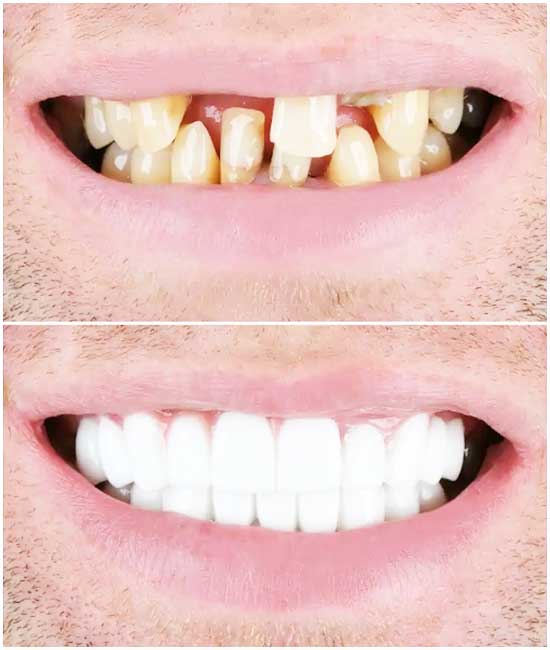
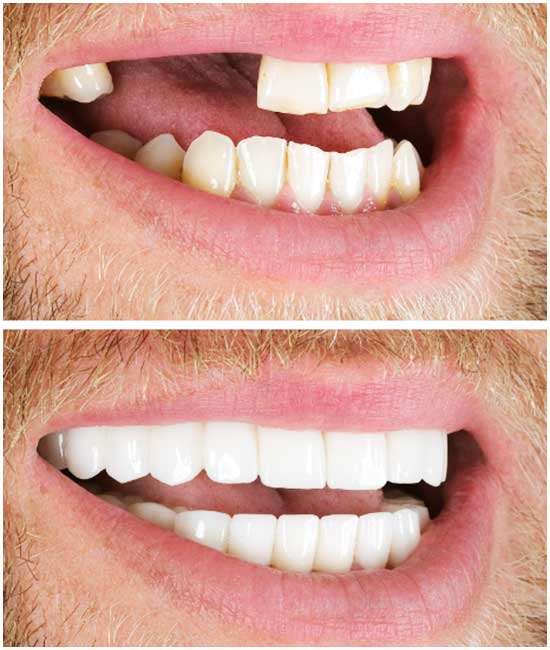
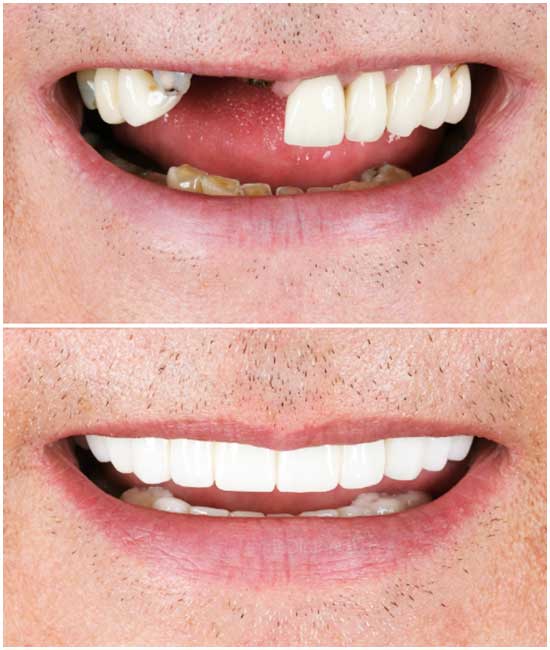
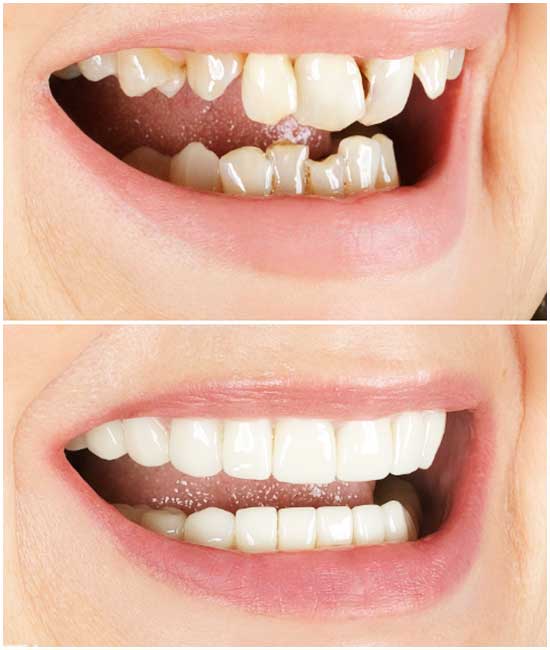
Before and After All on 6 dental implants in Turkey
Before and After All-on-6 Dental Implants in Turkey showcase dramatic transformations in patients’ smiles and oral health. These images typically demonstrate the remarkable improvement in dental appearance, functionality, and overall well-being following the placement of All-on-6 dental implants.
Advantages of All on 6 dental implants in Turkey
The advantages of All-on-6 dental implants in Turkey include:
- Enhanced Stability: The All-on-6 implant system provides greater stability and support due to the additional implants used, ensuring a secure fit for the prosthetic teeth.
- Improved Chewing Function: With six implants strategically placed along the jaw, patients can enjoy improved chewing function, allowing them to comfortably eat a wider variety of foods.
- Natural Appearance: All-on-6 implants offer a natural-looking smile, as the prosthetic teeth are customized to match the shape, size, and color of the patient’s existing teeth.
- Long-Term Durability: The All-on-6 implant system is designed to be durable and long-lasting, providing patients with a reliable solution for replacing missing teeth.
- Prevents Bone Loss: By stimulating the jawbone, All-on-6 implants help prevent further bone loss and maintain the overall structure of the jaw.
- Efficient Treatment: All-on-6 dental implants in Turkey typically involve a shorter treatment time compared to traditional implant methods, allowing patients to enjoy their new smile sooner.
- Cost-Effective: All-on-6 implants offer excellent value for money, providing patients with a comprehensive dental solution at an affordable price.
Overall, All-on-6 dental implants in Turkey offer numerous advantages that make them an attractive option for patients seeking to restore their smile and improve their oral health.
Receive a complimentary consultation and a customized dental implants treatment plan tailored to your specific needs!
Stages of All-on-6 Implantation in Turkey
The stages of All-on-6 implantation in Turkey typically include:
- Initial Consultation: During the first visit, the patient undergoes a comprehensive dental examination and consultation with the dentist. This includes assessing the patient’s oral health, reviewing medical history, and discussing treatment options.
- Treatment Planning: Based on the examination results, the dentist develops a personalized treatment plan tailored to the patient’s needs. This plan outlines the number of implants required, the placement locations, and the type of prosthetic teeth to be used.
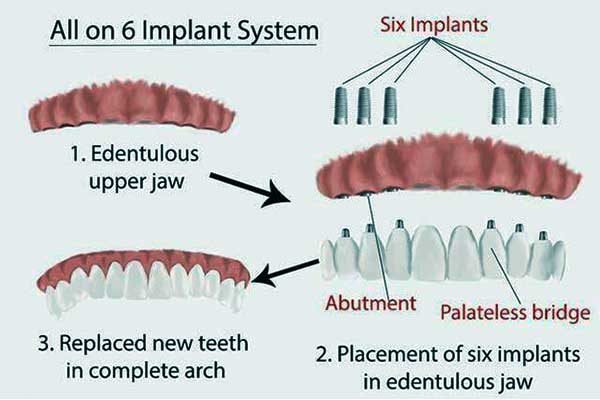
- Dental Implant Surgery: The implantation procedure begins with the surgical placement of six dental implants into the jawbone. This is performed under local anesthesia to ensure the patient’s comfort. The implants are strategically positioned to provide optimal support for the prosthetic teeth.
- Healing Period: After implant placement, a healing period is necessary to allow the implants to integrate with the surrounding bone tissue. This process, known as osseointegration, typically takes several months to complete.
- Attachment of Prosthetic Teeth: Once osseointegration is achieved, abutments are attached to the implants, and impressions are taken to fabricate the final prosthetic teeth. These custom-made teeth are then securely attached to the implants, restoring the patient’s smile and chewing function.
- Follow-Up Care: Patients are provided with post-operative instructions and scheduled for follow-up appointments to monitor healing progress and ensure the long-term success of the All-on-6 implantation.
Overall, the stages of All-on-6 implantation in Turkey are carefully planned and executed to provide patients with a durable and functional dental solution.
How much do All on 6 dental implants cost in Turkey؟
The cost of All-on-6 dental implants in Turkey varies depending on factors such as the clinic, the dentist’s experience, and the materials used. On average, the cost ranges from $2,500 to $4,500 per arch.
Here’s a comparison between the cost of All-on-6 dental implants in Turkey, the United States, and France, along with the percentage of savings:
| Treatment | Turkey (USD) | USA (USD) | France (USD) | Savings (%) |
|---|---|---|---|---|
| All-on-6 Implants | $2,500 – $4,500 | $25,000 – $50,000 | $20,000 – $40,000 | 80% – 90% |
As shown in the table, patients can save a significant amount by opting for All-on-6 dental implants in Turkey compared to the United States and France, with potential savings ranging from 80% to 90%.
all on 6 dental implants turkey reviews
Reviews for All-on-6 dental implants in Turkey are generally positive, with many patients expressing satisfaction with the quality of care, expertise of the dental professionals, and the affordability of the treatment compared to other countries. Here are some common themes found in reviews:
- Quality of Treatment: Many patients report receiving high-quality treatment for their All-on-6 dental implants in Turkey. They praise the expertise and skill of the dental professionals and the use of modern technology and techniques.
- Affordability: One of the most commonly cited reasons for choosing Turkey for All-on-6 dental implants is the affordability of the treatment. Patients often mention that they were able to save a significant amount of money compared to getting the same treatment in their home countries.
- Comfort and Care: Patients frequently mention feeling comfortable and well-cared for throughout the treatment process. They appreciate the attention to detail and personalized care provided by the dental team.
- Satisfaction with Results: Many patients express satisfaction with the results of their All-on-6 dental implants in Turkey. They report feeling more confident with their new smiles and are pleased with the functionality and aesthetics of their implants.
- Smooth Experience: Several reviews highlight the smooth and hassle-free experience of getting All-on-6 dental implants in Turkey. Patients often mention the convenience of the clinics, ease of communication with the staff, and seamless coordination of appointments and treatments.
Overall, reviews for All-on-6 dental implants in Turkey reflect positive experiences, with patients praising the quality of care, affordability, and satisfaction with the results.
Frequently Asked Questions About all on 6 dental implants turkey
Is all on 6 dental implants worth it?
All-on-6 dental implants are often considered worth it for individuals who require extensive tooth replacement. They provide a stable and durable solution for patients missing multiple teeth or who have significant dental issues. The treatment offers numerous benefits, including improved oral function, enhanced aesthetics, and increased confidence. Additionally, All-on-6 implants can be more cost-effective compared to traditional implant-supported restorations, making them a worthwhile investment for many patients.
How much does a full set of teeth implants cost in Turkey?
The cost of a full set of teeth implants in Turkey can vary depending on several factors, including the number of implants required, the materials used, and the clinic’s location and reputation. On average, the cost of full mouth dental implants in Turkey ranges from £4,000 to £8,000. However, it’s essential to consult with a dental professional for a personalized treatment plan and accurate cost estimation based on individual needs and preferences.
How long do all on 6 implants last?
All-on-6 implants are designed to be a long-term solution for tooth replacement. With proper care and maintenance, they can last for many years, if not a lifetime. The success and longevity of All-on-6 implants depend on factors such as oral hygiene practices, regular dental check-ups, and avoiding habits like smoking, which can negatively impact implant health.
How many teeth are on all on 6 dental implants?
All-on-6 dental implants typically support a full arch of teeth, meaning there are usually 12 to 14 artificial teeth on each arch. The exact number of teeth may vary based on individual patient needs and preferences and the specific treatment plan developed by the dental professional.
Which is better, All-on-4 or All-on-6?
Both All-on-4 and All-on-6 dental implant systems offer effective solutions for full arch tooth replacement, but they have differences that may make one more suitable than the other for certain patients. All-on-6 implants provide additional stability and support by using six implants per arch instead of four, making them ideal for patients with more extensive tooth loss or diminished bone density. However, the choice between All-on-4 and All-on-6 implants depends on various factors, including the patient’s jaw structure, oral health, and specific treatment goals.
Is All-on-4 or All-on-6 better?
The suitability of All-on-4 or All-on-6 implants depends on individual patient factors and treatment objectives. All-on-6 implants offer increased stability and support due to the use of six implants per arch, making them a preferred option for patients with more significant tooth loss or bone density concerns. However, All-on-4 implants may be suitable for patients with adequate bone density and a desire for a less invasive treatment option. Ultimately, the best choice between All-on-4 and All-on-6 implants should be determined through a comprehensive evaluation by a dental professional.
How long does All-on-6 take?
The duration of the All-on-6 dental implant procedure can vary depending on factors such as the patient’s oral health, the complexity of the case, and the specific treatment plan. On average, the entire process, including the initial consultation, implant placement surgery, and restoration fitting, may take several months to complete. However, the placement of the implants themselves typically takes about 1-2 hours per arch. Following implant placement, a healing period is necessary to allow for osseointegration, during which the implants fuse with the jawbone. Overall, the entire All-on-6 treatment process may span several months to achieve the desired outcome.
Conclusion of All on 6 dental implants
In conclusion, all-on-6 dental implants offer a comprehensive and stable solution for individuals seeking full-mouth restoration. With the placement of six implants per arch, this technique provides increased support and durability, resulting in improved chewing ability, speech, and aesthetics. All-on-6 implants offer several advantages, including enhanced stability, reduced treatment time, and the ability to support a full set of teeth with fewer implants compared to traditional methods. Patient satisfaction with all-on-6 implants is typically high, with many individuals experiencing restored confidence and quality of life. However, it’s essential for patients to undergo thorough evaluation and consultation with experienced dental professionals to ensure candidacy and optimal treatment outcomes. Overall, all-on-6 dental implants represent a reliable and effective solution for individuals seeking long-term tooth replacement and restoration.
Schedule your complimentary consultation for dental implants today!
articles that interest you about dental treatment and cosmetic dentistry…..
Dentist In Turkey Prices

Best Dentist Turkey

Best Dental Clinic



Dental Implants
Veneers In Turkey

We strive to provide a high level of exceptional service that we expect personally